
Order released
The purchase order is checked against the agreed grade, pack, quantity and delivery window. Any specification mismatch is raised before stock is allocated, not after loading.
A chemical order is only as good as the pack it arrives in, the vehicle it travels in and the documents that travel with it. This is how material moves from the Ankleshwar terminal to a plant gate or a port cut-off.
Terminal record
Most chemical suppliers quote on material and freight. The variables that actually decide whether a consignment arrives in specification are less visible: whether the bag was palletised under cover, whether the drum was sealed against humidity, whether the tanker was dedicated to the right product class, and whether the driver carried the current SDS.
Our terminal sits inside Ankleshwar GIDC, within 1.2 km of NH-48 and 45 km from the Dahej PCPIR. That location is not decorative. It puts stock close to the plants that consume it and puts export cargo within a two-and-a-half-hour drayage of Hazira.
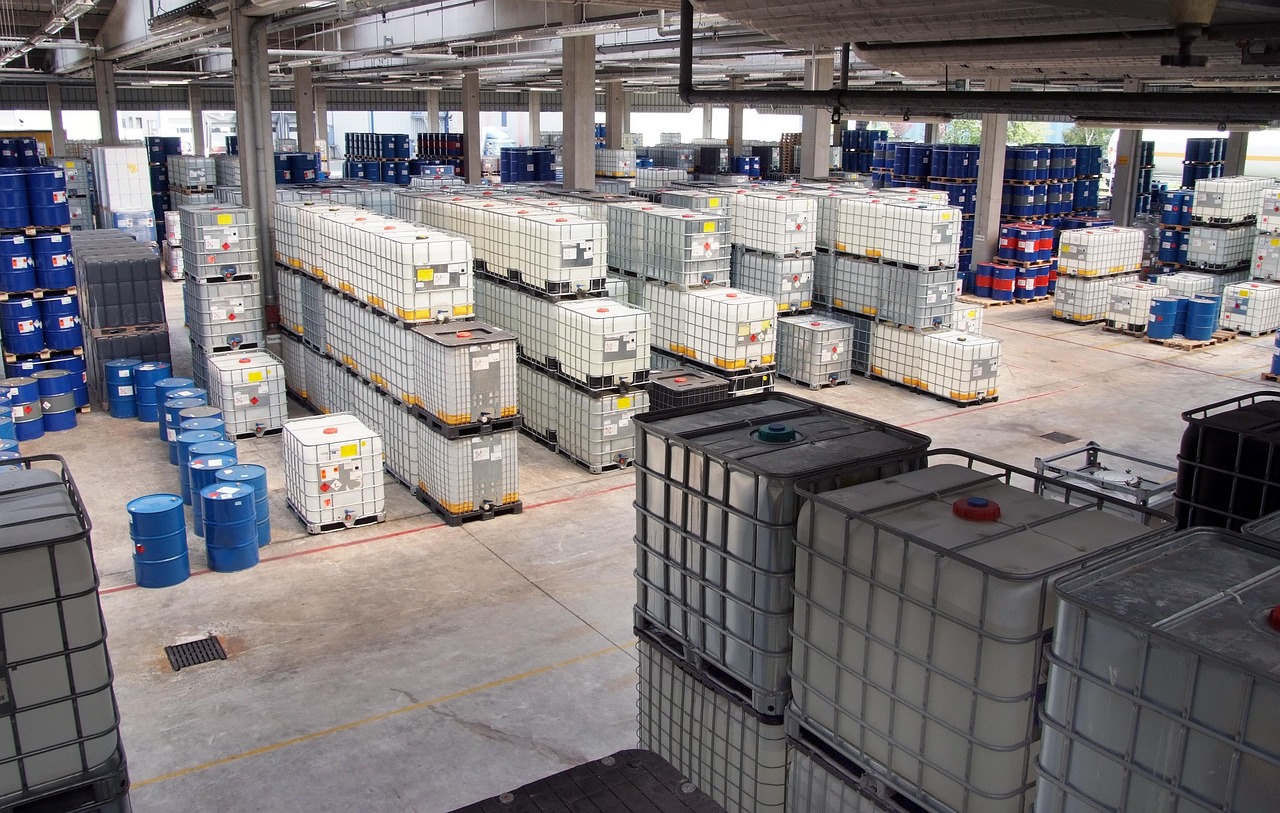
The terminal holds segregated dry, liquid, solvent and food-grade bays, two tanker bays, three full-truck bays and a container-stuffing bay. Every consignment is built to a dispatch plan that starts with the purchase order and ends with a sealed document wallet.
Covered storage
4,200 m²
Segregated dry, liquid, solvent and food-grade bays.
Immediate capacity
1,600 MT
Palletised and racked, with bonded export staging.
Loading bays
6
Two tanker bays, three FTL bays and one container stuffing bay.
Annual movement
24,000+ MT
Across stock lines, annual contracts and export lots.
Nearest port
75 km
Hazira container terminal, 2.5 hr drayage.
Nearest chemical belt
45 km
Dahej PCPIR, 1.5 hr tanker turn.
Indicative transit from the Ankleshwar terminal for full-truck and container loads. Times exclude loading and are confirmed against the actual destination, vehicle type and permit requirements at the time of quotation.
| Destination | Distance | Transit | Mode | Dispatch note |
|---|---|---|---|---|
| Dahej PCPIR | 45 km | 1.5 hr | Bulk tanker / FTL | Same-day tanker turns for liquid acid and caustic. |
| Hazira Port | 75 km | 2.5 hr | Container drayage | Stuffing and sealing at partner CFS; IMDG declaration at origin. |
| Vapi / Daman belt | 150 km | 3.5 hr | FTL / part load | Daily and alternate-day dispatch runs. |
| Ahmedabad | 180 km | 4 hr | FTL | Next-day delivery for stock lines. |
| JNPT Nhava Sheva | 320 km | 8–10 hr | Export FCL | Overnight drayage; shipping bill and BL coordination. |
| Mumbai / Thane | 340 km | 9–11 hr | FTL | Consignments scheduled around city-entry restrictions. |
| Indore / Pithampur | 420 km | 10–12 hr | FTL | Central India pharma and textile cluster. |
| Mundra Port | 440 km | 12–14 hr | Export FCL | Used for sailings not served from Hazira. |
| Pune / Chakan | 520 km | 14–16 hr | FTL | Coatings, adhesives and specialty synthesis customers. |
| Hyderabad | 900 km | 22–26 hr | FTL | Pharma cluster; transit plan accounts for state permits. |
Transit is measured from gate-out at Ankleshwar GIDC. Hazardous-cargo routing, city-entry restrictions and monsoon conditions may extend the quoted window.
Fill volume is only the first variable. Decanting risk, floor loading, bund capacity and return logistics decide the format. The table lists the standard packs held or arranged through the terminal.
UN note
Packaging codes shown are the common UN ratings for the format. The actual code is confirmed on the lot packing certificate, because liner, closure and manufacturer can vary.
| Format | Nominal fill | Construction | Typical use | UN reference |
|---|---|---|---|---|
| Multi-wall bag | 25 kg / 50 kg | HDPE woven with LDPE liner | Caustic flakes, potash, KOH flakes | UN 13H3 / 13H4 where applicable |
| Jumbo bag | 1,000 kg | PP woven with PE liner, four-loop lift | Dry alkalis and granular salts | UN 13H1 depending on product |
| Carboy | 30 kg / 35 kg | HM-HDPE with vented or sealed cap | Acids, peroxide, solvents in trial lots | UN 3H1 / 3H2 |
| Drum | 200 kg / 250 kg / 300 kg | HDPE, epoxy-lined steel or MS | Liquid acids, solvents, caustic liquor | UN 1H1 / 1A1 |
| IBC tote | 1,100 / 1,200 / 1,600 kg | HDPE bottle in galvanised cage | Bulk liquids and vented peroxide | UN 31H1 / 31H2 |
| Road tanker | 20–30 MT | Rubber-lined MS or SS-316L | Plant-to-plant bulk acid and alkali | ADR/CMVR compliant |
Trial quantities
Carboy and drum lots are available for bench trials, sample approvals and short production runs.
Production volumes
IBC multiples, jumbo bags and full tankers are quoted with the loading plan for your site.
Export packing
Pallets are dimensioned for 20ft and 40ft containers, with IMDG marking and sealing at origin.
Each step produces a record. If a step fails, the load stops at the terminal rather than becoming a customer problem.
The purchase order is checked against the agreed grade, pack, quantity and delivery window. Any specification mismatch is raised before stock is allocated, not after loading.
A released lot is reserved against the order. The COA, SDS revision and retention sample are pulled from the lot file and matched to the dispatch plan.
Material is repacked or staged in the correct bay. Each pack receives the product label, batch number, net weight, hazard diamond and handling marks.
The vehicle is inspected, grounded where required and loaded under supervision. Gross, tare and net weights are recorded on the weighbridge slip.
Invoice, COA, SDS, packing list and weighbridge slip are assembled into one dispatch file. The driver signs for the sealed document wallet before leaving the gate.
Gujarat’s west-coast ports are not interchangeable. Sailing frequency, drayage cost, IMDG acceptance and cut-off discipline decide the lane. The documentation desk builds the export file once and adapts it to the port nomination.
21.6280° N / 73.0120° E
Ankleshwar GIDC · Gujarat
From terminal · 75 km
The default export lane for Bharuch-district cargo. Partner CFS handles container stuffing and sealing on site; IMDG declaration is prepared at origin. Best for sailings to the Gulf, East Africa and South-East Asia.
Drayage 2.5 hr · same-day stuffing on booked slots
From terminal · 320 km
Used where the sailing schedule or carrier nomination requires Nhava Sheva. Overnight drayage, with the shipping bill and BL instructions coordinated by the documentation desk before the container leaves Ankleshwar.
Drayage 8–10 hr · overnight departure
From terminal · 440 km
An alternative for west-coast sailings not served from Hazira. Longer lead time, so bookings are confirmed three to four days ahead of cut-off. Suitable for full-container export programmes.
Drayage 12–14 hr · book 3–4 days ahead
Export document set
Prepared by the documentation desk and checked before container sealing. The shipper remains responsible for destination import permits and duties.
Hazardous cargo discipline is a sequence of physical and documentary checks. These are the four the dispatch supervisor signs off before the gate opens.
Tanker, container or truck is matched to the product class. Solvent loads require flameproof equipment, grounding and a spark-free loading procedure.
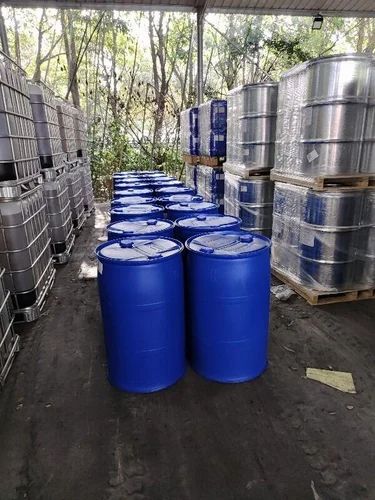
Acids and alkalis never share a compartment without a physical barrier. Oxidisers are separated from combustibles. Packs are palletised, stretch-wrapped and load-locked.
UN labels, placards and transport emergency cards travel with the load. The driver carries the consignee contact, SDS and a 24-hour emergency number.
The dispatch supervisor signs off the vehicle, seals, documents and load plan against the order. A load that fails the gate check does not leave the terminal.
Emergency response
Every transport document carries a 24-hour emergency contact. Drivers are inducted to site entry rules before loading, and the consignee receives the SDS and unloading plan in advance of arrival.
How lots are releasedConvert tonnage into packs, pallets and container utilisation. The estimate uses the pack specification for the selected line and is meant to start a conversation with the dispatch desk, not replace it.
Estimator notes
Figures are indicative. Final payload depends on port weight limits, pallet configuration and carrier acceptance. Our dispatch desk confirms the loading plan against the actual lot.
LOG-01 / Load estimator
Calculates units, pallets, gross weight and 20ft FCL utilisation from the selected pack.
Units required
400
50 kg
Gross weight
20.18MT
20,180 kg incl. tare
Pallets
20
1.2 × 1.0 m standard
Dispatch from Ankleshwar GIDC; container stuffing via the Hazira partner CFS. Bulk tankers of 20–30 MT cover Gujarat, Maharashtra and Madhya Pradesh.
Minimum quantities, site access, export documents and hazardous-cargo handling.
Speak with dispatchStock line items start at one metric ton for most products, though carboy and drum trial lots can be smaller. Full-truck loads, IBC multiples and 20ft container programmes are quoted separately. The product page states the minimum for each line.
Yes, with the right pack. We will recommend carboys or drums where a tanker cannot discharge safely, and share the unloading plan and SDS in advance so your EHS team can approve the delivery. Drivers are inducted to site rules before entry.
Our documentation desk prepares the commercial invoice, packing list, COA, SDS, IMDG declaration and certificate of origin. We coordinate with the CHA at Hazira, JNPT or Mundra. The shipper remains responsible for destination import permits and duties.
Corrosive and oxidising goods move in UN-rated packs with the correct hazard labels, placards and transport documents. We use carriers with hazardous-goods experience and provide a 24-hour emergency contact on the transport document.
Share the site address, pincode, receiving constraints and target date. The dispatch desk will confirm the vehicle, pack format, transit window and document set before the order is released.